




How to choose the right butcher's bandsaw
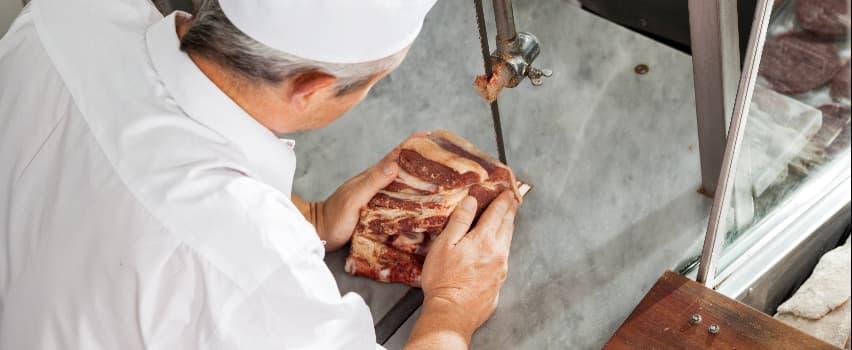
Whether you run a small delicatessen or a busy shop, a bandsaw is one of the most important pieces of kit in your setup. The backbone of daily production, it’s at the centre of how everything runs, supporting the pace and structure of the entire workflow. When you choose the right machine, you can keep your preparation moving smoothly, delivering consistent results and enjoying control and precision with every cut.
At Butchers Equipment Warehouse, we’ve been supplying premium butchery equipment for over 30 years now, and we’ve seen firsthand how much the wrong machinery choice can slow down day-to-day work. One of the top questions we get from our customers is, ‘What features are essential for a good butcher's bandsaw?’So, let’s break down what to consider when making your decision, and explore the difference the right machine makes to your butchery.
Considering your workload and demand
The first thing to look at is how the bandsaw will be used in your shop day to day, and the volume of work it needs to handle. That usually makes it clearer what type of machine will suit your setup and how it will perform in regular use. With that in mind, let’s explore a few key factors.
The size of the machine
If you’re wondering how to choose the right size butcher’s bandsaw for your needs, we’re here to help. Size has a direct impact on how the bandsaw fits into your shop layout and how practical it is to use on a daily basis. A machine that’s too large for the space can restrict movement around the prep area and make the workflow feel tighter than it needs to be. On the other hand, a model that’s too small for the workload can feel limiting when handling larger cuts, slowing things down during busier periods. It’s also worth thinking about how your space is actually set up. Some smaller shops are better suited to a compact tabletop bandsaw, while others have the room for a floor-standing model that can handle heavier, continuous use without getting in the way of other work.
Motor strength
Next, motor strength. This is really about power, how much the machine can handle, how consistently it cuts through different types of product, and how well it maintains that performance during regular use. Different shops and workloads call for different motor strengths, depending on how often the saw is used and the level of cutting it needs to handle. For example, a machine with a 1.5HP motor, like the SAP SM2020 is ideal for smaller commercial setups and can handle lighter, lower-volume use. In comparison, 2HP to 3HP machines like the Mainca BC2800 would be ideal for a busier environment where the saw is running continuously. Getting this right helps the machine work at a steady pace without being pushed beyond what it’s designed for, which keeps cutting smoother and more controlled throughout the day.
Throat size and cutting height
It’s also crucial to think about throat size and cutting height, two factors that determine what widths and thicknesses your saw can process. When these aren’t matched properly to the type of work being done, it can quickly become frustrating in day-to-day use. For example, if you’re working with a larger cut like beef or venison that doesn’t pass comfortably through the machine, you may need to break it down into smaller sections first, which adds extra handling time and slows down the overall process. Finding the right fit for your requirements keeps cutting straightforward, reduces handling time, and helps the machine work with the operator rather than against them.
Choosing a reliable brand
This is something we can’t stress enough, and while we’ve covered it in other blogs, it’s always worth circling back to. The brand behind your machine plays a big part in how it performs over time. Lower-cost equipment can look appealing upfront, but in practice, it often struggles under regular use, with weaker build quality, limited manufacturer support, and parts that can be difficult to source when something needs replacing. In a busy butchery environment, that usually means more downtime and a shorter working life for the machine. Sticking with reputable, well-established brands gives you far more consistency, better aftercare, and a level of reliability that holds up when the workload increases. Look for brands like Savioli, SAP, Omega and Mainca, which are well known for their build quality, dependability, and consistent performance.
Think about the type of body
When considering the top features to look for in a butcher’s meat bandsaw, it’s also worth considering the material the machine’s body is built from, as this can impact your day-to-day operations. Aluminium bandsaws, like the SAP SM2020, are often chosen for their lighter weight. They’re easier to move, which can make them a practical option in smaller shops or environments where space is tighter and flexibility matters. They’re also typically more affordable, offering a reliable and cost-effective solution.
Stainless steel bandsaws, on the other hand, are generally built with heavier-duty use in mind. They offer a more solid, robust feel and are well-suited to high-volume environments where the machine is in near-constant use. What’s more, they’re generally easier and more efficient to clean than aluminium models.
Matching the blade to the work
The machine itself is only part of the picture – the blade you run in it is just as important! Blade choice is mainly about matching the tooth style and blade spec to the kind of work being done. As a general rule, finer tooth blades are better suited to lighter, more precise work, while coarser blades are typically used for heavier cutting and breakdown tasks. Choosing the right bandsaw blade makes the difference between clean, consistent cuts with minimal waste and messy results that lead to more rework, wasted product, and unnecessary wear on the machine over time.
Look for designs that keep cleaning practical and manageable
Last but definitely not least, it’s worth giving some thought to how easy your chosen machine will be to clean every day. In a busy commercial environment, thorough cleaning is vital, which is why choosing a model that’s straightforward to break down, wipe down, and keep hygienic will save time in daily routines and ensure your workspace runs smoothly.
A great example of this is the Apollo 350SS. Removable components and fully detachable doors make it much easier to get in and clean properly, with no awkward areas left behind; at the same time, its handy waste collecting tray helps to keep your work area tidy during use. With thoughtful design features like these, you can keep cleaning simple, efficient and much easier to manage, whatever the day brings.
Those are a few of our top tips to consider when choosing your next butcher's bandsaw – and if you’re ready to make your decision, look no further. At Butchers Equipment Warehouse, we’re proud to supply a full range of bandsaws and spares, all chosen with quality, durability and reliability as priorities. With leading brands, great prices, express delivery options and outstanding customer service from day one, we’re committed to making sure you’ve got the right equipment for the job. Still unsure what machine will best suit your needs? Give us a call on 01254 427 761, and our friendly team will be happy to help!
1 Comment