




Top mistakes made by entrepreneurs when opening a butcher’s shop
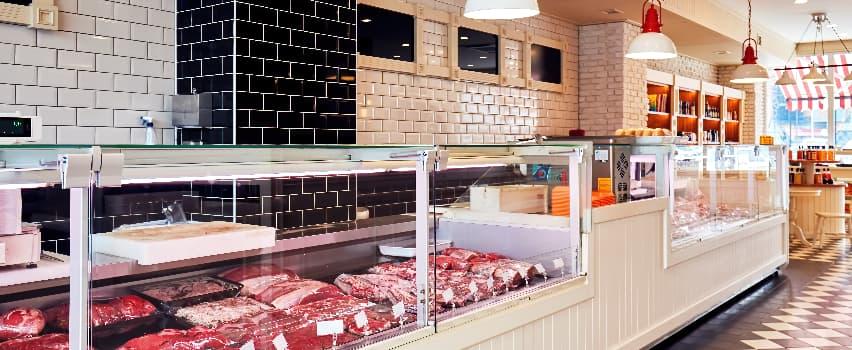
At Butchers Equipment Warehouse, we’ve spent more than three decades helping professionals fit out their shops with reliable, premium equipment, from butcher's knives to machinery and everything in between. Over the years, we’ve had a first-hand look at some of the best practices, as well as the most common pitfalls to avoid when setting up your first butchers’ counter. With that in mind, we’re here to explore some of the top mistakes made by new butchers and share some of our top butchers' tips.
Picking equipment without considering workload intensity
Whether you’re completely new to the trade, stepping into your first role as an independent butcher, or taking full responsibility for running your own counter for the first time, the decisions you make early on will have a lasting impact on how smoothly your operation runs.
One of the most common mistakes we see, especially with new butchers, is choosing equipment that doesn’t match the reality of the workload. It’s an easy one to get wrong early on, particularly when you’re setting up for the first time or taking full responsibility for day-to-day production. In some cases, machinery is selected that’s far too large for the space and level of trade, meaning it takes up valuable working room and rarely operates close to its intended capacity.
On the other hand, we also see setups where equipment cannot handle the volume being processed, which leads to delays, increased strain on the machine, and a workflow that struggles to keep pace with demand. When someone tries to use a machine that wasn’t designed for the volume they’re producing, the machine may not hold up to the excess wear and tear, which means they may find they have both a broken machine and a voided warranty.
Choosing equipment based on price alone
Another common mistake we see from professionals new to opening a butcher’s shop is placing too much focus on upfront cost rather than long-term performance. It’s understandable, especially when budgets are tight, but choosing equipment based on price alone often leads to issues once the shop is up and running.
In a working butchery environment, equipment is used daily and is under constant pressure. Cheap, low-quality machinery can struggle to cope with that level of demand, leading to slower processing times, more frequent breakdowns, and inconsistent results during preparation. Typically, this equipment needs replacing far sooner than expected and ends up costing more in the long run, something we covered recently in a blog about this very topic.
Overlooking comfort and ergonomics
It’s easy to overlook the physical demands of butchery, and we’ve seen a lot of new butchers fail to place enough importance on comfort and working position from day one. In a trade where tasks are repeated over and over, small design details quickly become significant. For example, work surfaces that are too high or too low can lead to unnecessary strain, affecting posture and making longer shifts more tiring than they need to be. The same applies to tools like knives and saws, where design impacts comfort, precision and safety.
Creating an inefficient shop layout
When opening a butcher’s shop, choosing the right layout from the start is essential. If your setup isn’t planned around how work actually moves through your space, small inefficiencies can quickly build into daily frustration. We often see prep areas positioned too far from core cutting stations, meaning more steps are taken than necessary to complete simple tasks. Storage can also become disorganised when there isn’t a clear system in place, leading to time lost searching for tools, packaging or ingredients during busy periods.
Our top tips for setting up a new butchers' shop
For anyone opening a new shop, having a solid foundation makes the transition far more manageable and helps to prevent unnecessary setbacks early on. With that in mind, we’ve pulled together a selection of practical tips to support you as you get established.
- Avoid last-minute frustration and delays by stocking up on essentials from day one – this includes everything from replacement bandsaw blades to consumables like clingfilm and food-safe oil. At the same time, you should establish good habits early on by making sure you have a selection of maintenance tools, like knife sharpening stones, on hand and ready to go.
- Always consider comfort when choosing your equipment, picking ergonomic, well-balanced tools designed to support accurate trimming and reduce fatigue during long prep sessions. Look for features like non-slip handles and shapes that sit naturally in the hand, with contours that support a secure grip and reduce strain during repeated use.
- Ensure your space supports comfortable working across a range of tasks, with lower stations better suited to heavier work and higher areas used for more precise cutting, helping to reduce strain and maintain better posture. Carefully organise your setup to support efficient movement between tasks, reducing wasted effort and helping to maintain steady production throughout the day.
- Include proper storage to save time searching for tools or ingredients.
- When choosing equipment, focus on reliable, expertly-designed tools from the start, rather than cutting corners on quality. Consider both your current needs and where your business might realistically grow – the aim is to choose equipment that suits today’s workload, while still allowing some flexibility for increased demand, without going too large or overcomplicating the setup too early.
So, if you’re wondering, ‘What do I need to open a butcher's shop?’, look no further. Whether you’re a new butcher or a seasoned professional, we’re here to help. From meat mincers and bandsaws to butchers' blocks and knives, we’re proud to offer a broad range of butchery must-haves. With global brands like Mainca, F. Dick and Victorinox available at competitive prices, our team is always ready to help you find the perfect solutions for your butchery work. For more information, don’t hesitate to give us a call on 01254 427 761, and begin your new venture with premium tools you can really rely on.