




6 simple ways to extend the life of your meat mincer
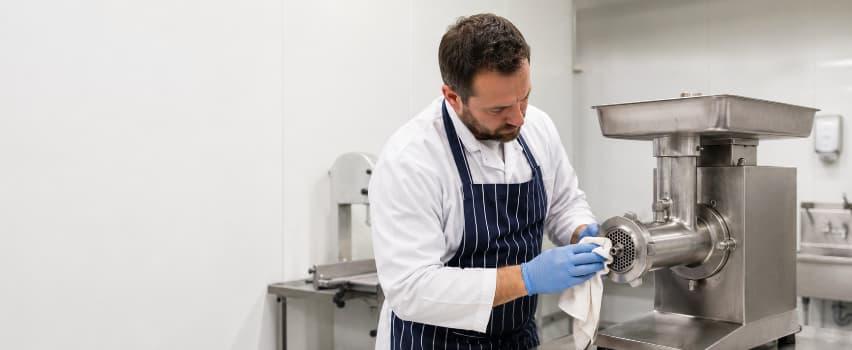
As a busy professional, it’s probably hard to imagine your workspace without your meat mincer. Whether you’re using it to prepare mince for the counter or produce batches for burgers and sausages, it plays a big part in keeping your day-to-day preparation running smoothly, and it’s naturally a machine you’ll want to keep performing reliably for as long as possible. So, what can you do to help your mincer go the distance? Let’s explore six simple habits worth introducing into your working routine.
1. Stick to the machine's recommended capacity and pace
Let's start with one of the most straightforward ways to look after your mincer: don't ask it to handle more than it's designed for. Even the best meat mincer needs to be used within its recommended capacity, and however tempted you might be to put a bit extra through or push the mincer a little harder than usual during a busy shift, it’s not a risk worth taking. As well as increasing the risk of blockages and inconsistent results, overworking your machine can place additional strain on the motor and working components, making unnecessary wear far more likely over time.
With that in mind, make sure everyone who uses the mincer knows its recommended capacity and understands the importance of working within it. At the same time, avoid rushing the feed just to get through a batch faster. Make sure larger pieces are cut to a suitable size for your particular mincer, then feed the meat through at a steady pace using the appropriate plunger. This gives the machine a chance to handle the meat properly without having to work harder than it needs to.
2. Make cleaning part of the routine
Giving your mincer the right care after use is an important part of keeping it in good condition for longer. Leftover meat and residue can build up around the working parts and lead to blockages, which can put additional strain on the motor and other components. Keeping the machine clean helps reduce the chance of this happening, while also preventing residue from sitting on the parts between uses and contributing to unnecessary wear.
Drying is just as important. Once the relevant components have been washed, make sure they're dried properly before they're put away or fitted back onto the machine. Leaving moisture sitting on metal components can encourage corrosion, which can gradually affect their condition – taking the time to clean and dry these parts properly is a simple way to help protect them and get more use from them in the long run.
3. Make sure you have the right spares on hand
Working parts naturally become less effective over time, so replacing them when needed can help keep your mincer running smoothly and protect it from unnecessary strain. Remember: using a poor-quality or incompatible part can affect how the mincer performs and may put unnecessary strain on the machine, so it's worth getting the best meat mincer spares right from the start.
Replacing parts at the right time can also help you get more life from the machine as a whole. A worn knife or plate doesn't necessarily mean there's anything wrong with the mincer itself, but continuing to use a component that's past its best can affect how the machine performs and put additional demands on other parts. Having reliable spares ready to go makes this much easier, helping you to deliver your best work and avoid costly downtime.
4. Keep your meat properly chilled
Keeping meat properly chilled is, of course, essential for food hygiene and safe handling. But there's another reason to pay attention to temperature when you're using a mincer: it can also help the mincing process run more smoothly.
As meat warms up, it becomes softer and can be more difficult to mince cleanly. Keeping it properly chilled helps it maintain a firmer texture, which can make the mincing process smoother and help avoid putting unnecessary strain on the machine.
5. Stay on top of lubrication
In a professional butchery environment, you depend on your mincer to handle huge amounts of meat every day, with multiple components working together to keep every batch moving smoothly. Lubrication with a food-safe oil plays an important role here, helping to reduce friction and overheating that can place extra pressure on the machine over time – it can also help protect parts against rust and corrosion, keeping your mincer in top condition for longer.
6. Make sure everyone knows the routine
When good habits are shared across the whole team, your mincer gets the same level of care, whoever happens to be using it. That consistency can help protect the machine and its components, meaning you're less likely to end up with missed cleaning, incorrect handling, or shortcuts that could affect the mincer over time.
With that in mind, everyone who works with the machine should know how to operate it, clean it, and handle it safely. They should also know to flag anything that doesn't look or sound right, rather than carrying on and potentially allowing a small issue to become a bigger one. This is especially useful when someone new joins the team, as showing them the correct way to use and clean the machine from the start can help prevent bad habits from creeping in and gives them a clear idea of what's expected.
Those are the key points covered! With a little extra care and attention, you can get the most from your mincer, especially when you choose the right equipment from day one – and that’s exactly where we can help.
Whether you're setting up from scratch or replacing a mincer that’s reached the end of the line, we’ve got a wide variety of options to choose from, including all the best meat mincers from leading brands like Omega, Talsa, Savioli and more. With over 30 years of experience, we're proud to offer premium machinery and spares at competitive prices, and we’re always ready to help you find the right supplies for your business. Looking for more information? Give us a call on 01254 427761 today, and our friendly team will be happy to point you in the right direction.